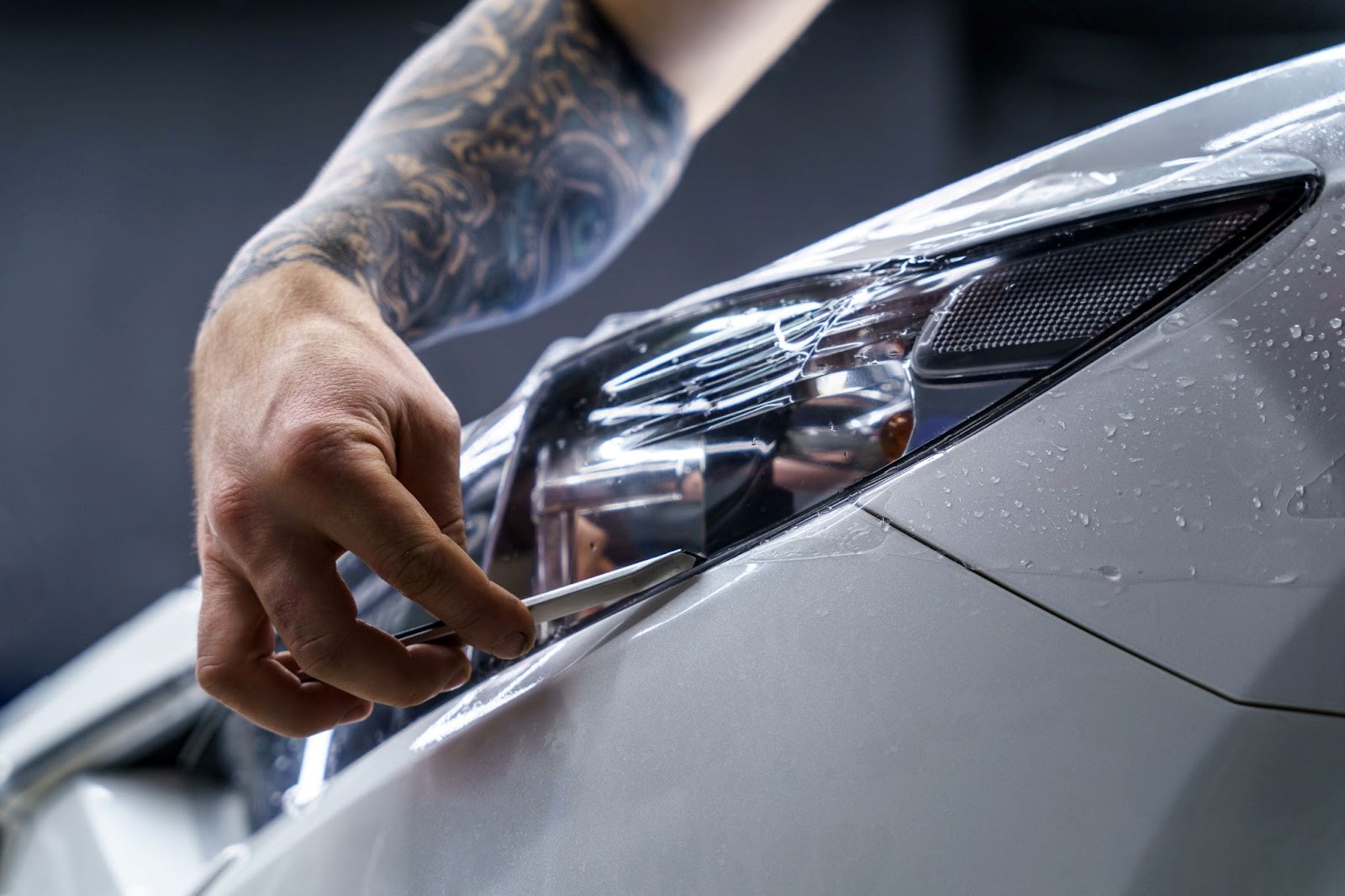
Paint protection film, often called PPF or clear bra, is one of the most effective ways to protect your vehicle’s paint from rock chips, road debris, minor scratches, bug acids, bird droppings, winter salt and everyday driving wear. For Canadian drivers, it can be a smart investment because road conditions, harsh winters and highway debris can quickly damage exposed painted surfaces.
But how much does PPF cost in Canada? The answer depends on your vehicle, the coverage package, the film selected and the complexity of the installation.
In this guide, we break down typical PPF prices, explain what affects the final quote, compare partial front, full front and full car PPF, and help you understand whether paint protection film is worth the cost for your vehicle.
Quick Answer: How Much Does PPF Cost in Canada?
In Canada, PPF cost typically ranges from about $400 for small partial coverage to $5,000+ for full vehicle paint protection film. The final price depends on the vehicle size, coverage package, XPEL film type, paint condition, panel complexity, edge wrapping and installer location.
A partial front package usually costs less than full front or full-body PPF because it uses less film and requires less installation time. Full car PPF costs more because it covers more painted surfaces and requires more labour, precision and finishing.
Final pricing may also vary by province, local installer, taxes, shop rates and any additional preparation needed before installation.
For a broader explanation of the product itself, visit our main paint protection film page.
PPF Cost by Coverage Package
Different PPF packages protect different areas of the vehicle. The more coverage you choose, the higher the cost will usually be.
PPF package | Typical price range in Canada | Best for |
Door cups, door edges or small areas | $100 to $400+ | Small high-wear areas |
Partial front PPF | $400 to $2,500 | Basic front-end protection |
Full front PPF | $1,500 to $3,500+ | Hood, bumper, fenders and mirrors |
Rocker panels and lower body areas | $500 to $2,000+ | Winter salt, gravel and road debris |
Full car PPF | $5,000+ | Maximum exterior paint protection |
These ranges are general estimates. Your final price can vary depending on the vehicle, the installer, the film selected and the amount of prep work required.
To compare package options, explore Protex Canada’s paint protection film packages.
Small Area PPF Cost
Small-area PPF is usually the most affordable option. It can be applied to specific high-wear areas such as door cups, door edges, trunk ledges, mirrors or selected lower panels.
This type of coverage is useful if you want protection in areas that are frequently touched, scratched or exposed to daily wear. It is also a good add-on to larger PPF packages.
Partial Front PPF Cost
Partial front PPF typically protects selected high-impact areas on the front of the vehicle, such as part of the hood, part of the fenders, front bumper and side mirrors.
This package can be a good option if you want essential protection at a lower cost than a full front package. It is often chosen by daily drivers who want to reduce the risk of rock chips, bug damage and road debris without covering the entire vehicle.
Full Front PPF Cost
Full front PPF usually covers the full hood, full fenders, front bumper and side mirrors. Because the front of the vehicle takes the most impact from highway debris, gravel and bugs, this is one of the most popular paint protection film packages.
Full front PPF costs more than partial front PPF, but it also provides more complete protection for the areas most likely to be damaged during regular driving.
Full Car PPF Cost
Full car PPF, also called full-body PPF or a full PPF wrap, protects most or all painted exterior surfaces. This is the premium option for drivers who want the highest level of paint protection.
Full car PPF usually costs $5,000+ because it requires more film, more labour, more preparation and more detailed finishing. It is often chosen for luxury vehicles, performance cars, exotic cars, collector vehicles, Teslas, EVs and owners who want maximum long-term protection.
Bumper PPF Cost
Bumper PPF cost varies because bumpers are often complex. Curves, vents, parking sensors, grille openings and body lines can make installation more labour-intensive.
The front bumper is also one of the most important areas to protect because it receives direct exposure to rock chips, road debris, bugs and winter grime. For many drivers, bumper protection is included in partial front or full front PPF packages.
What Affects PPF Cost?
PPF pricing depends on more than just the size of the film. A professional quote takes into account the vehicle, the product, the coverage area and the quality of the installation.
Coverage Area
The biggest pricing factor is how much of the vehicle you want to protect. Small areas cost less, while full front and full vehicle coverage require more material and installation time.
A partial package may be enough for drivers who want basic front-end protection, while a full vehicle package is better for those who want maximum exterior coverage.
Vehicle Size and Body Shape
Larger vehicles such as SUVs, trucks and vans usually require more film than compact cars or sedans. Complex body shapes can also increase the cost because curved panels, large bumpers, mirrors and detailed edges take more time to cover properly.
Sports cars, luxury vehicles and EVs can also require more precision because of their panel shapes, painted front ends and design details.
XPEL Film Type and Quality
Film quality affects the final price. Premium paint protection films usually cost more because they offer better clarity, durability, stain resistance, self-healing performance and long-term protection.
Protex Canada installs high-quality XPEL films, including XPEL ULTIMATE PLUS paint protection film, which is designed for a high-gloss finish and strong everyday protection.
For matte or satin vehicles, XPEL STEALTH paint protection film can help protect the surface while preserving a satin look.
Paint Condition and Preparation
Paint condition matters. A new vehicle with clean paint may require less preparation than a used vehicle with swirl marks, paint chips, oxidation, contamination or previous repairs.
In some cases, the installer may recommend washing, decontamination, touch-ups or minor paint correction before applying PPF. This preparation helps the film bond properly and improves the final appearance.
Installation Expertise
Professional installation is a major part of PPF cost. A skilled installer helps reduce the risk of bubbles, lifting edges, misalignment, visible seams or premature wear.
PPF installation requires clean preparation, accurate positioning, careful squeegee work, edge finishing and experience with different vehicle shapes. Poor installation can reduce the value of the film, even if the material itself is high quality.
If you want to understand the installation process in more detail, visit our PPF installation page.
Edge Wrapping and Custom Work
Some installations include wrapped edges or custom trimming for a cleaner appearance. This can improve the final look, but it also requires more skill and labour.
Custom work may be more common on luxury vehicles, performance cars, full vehicle PPF projects or vehicles with complex body panels.
XPEL PPF Cost: Why Film Quality Matters
XPEL PPF cost can be higher than cheaper paint protection film options, but premium film can offer better long-term value. High-quality films are designed to stay clear, resist staining, provide self-healing properties and protect the paint from everyday driving hazards.
XPEL ULTIMATE PLUS is a popular gloss PPF option because it helps protect painted surfaces while maintaining a clear, polished finish. XPEL STEALTH is designed for drivers who want to protect matte or satin paint finishes without changing the look of the vehicle.
Cheaper films may reduce the upfront cost, but they may not provide the same durability, clarity, warranty support or long-term performance. For drivers who want reliable paint protection, product quality and professional installation both matter.
PPF Cost by Vehicle Type
The cost of PPF can also vary by vehicle type. A compact sedan, full-size truck, luxury SUV and sports car may all require different film patterns, material amounts and installation time.
Sedans and Compact Cars
Sedans and compact vehicles may cost less to protect than larger vehicles because they usually have smaller panels and require less film. Partial front or full front packages are common choices.
SUVs and Trucks
SUVs and trucks often cost more because they have larger panels, bigger bumpers and more surface area. Trucks and SUVs may also benefit from rocker panel and lower body protection because those areas are exposed to road debris, salt, gravel and daily wear.
Sports Cars and Luxury Vehicles
Sports cars and luxury vehicles often have complex shapes, low front bumpers and high-value paint finishes. Many owners choose full front or full vehicle PPF to reduce the risk of visible damage and protect resale value.
EVs and Teslas
Electric vehicles often have painted front ends that are exposed to road debris and highway driving damage. PPF is especially popular for Teslas and other EVs because it helps preserve the clean factory appearance of the vehicle.
PPF Wrap Cost vs Vinyl Wrap Cost
Some drivers use the phrase “PPF wrap cost” when they are comparing full vehicle PPF with vinyl wrap. These products are not the same.
A vinyl wrap is usually cosmetic. It changes the colour or appearance of a vehicle, but it does not provide the same level of physical impact protection.
A PPF wrap is protective. It is designed to help protect the paint from rock chips, scratches, road debris, bug acids, road salt and everyday wear. Because PPF material and installation are protection-focused, full-body PPF usually costs more than many vinyl wrap projects.
How Long Does PPF Installation Take?
PPF installation time depends on the coverage package, vehicle size, panel complexity and paint condition.
Small-area coverage may take only a few hours. Partial front packages may often be completed faster than full front packages. Full front PPF can take longer because the bumper, hood, fenders and mirrors require careful alignment and finishing. Full vehicle PPF may require multiple days.
The best way to estimate installation time is to speak with a Protex installer after choosing your coverage package.
How Long Does PPF Last?
High-quality PPF can last for years when professionally installed and properly maintained. Product quality, installation quality, climate, road conditions, washing habits and exposure to sunlight, salt, gravel and contaminants can all affect lifespan.
XPEL paint protection film is designed for long-term durability, but proper care still matters. Regular washing, safe cleaning products and careful use of pressure washers near film edges can help protect the film’s appearance.
For more detail, read our guide on how long PPF lasts.
Is PPF Worth the Cost?
PPF can be worth the cost if you want to protect your paint before damage happens. Repainting, paint touch-ups and chip repair can become expensive, especially on newer vehicles, luxury cars, performance vehicles and EVs.
Paint protection film can help preserve your original finish, reduce visible wear, maintain resale value and protect high-impact areas from everyday driving damage.
PPF is especially worth considering if you:
- Drive often on highways
- Own a new or high-value vehicle
- Want to preserve resale value
- Drive in winter conditions with salt, sand or gravel
- Want to protect high-impact areas like the hood, bumper and rocker panels
- Plan to keep your vehicle for several years
- Want physical paint protection rather than only gloss or water repellency
If you are comparing protection options, read our guide on PPF vs ceramic coating.
Does PPF Cost Vary by City?
Yes. PPF pricing can vary by city, installer, vehicle demand, package options and local driving conditions. Drivers in cities with harsh winters, heavy road salt, gravel, construction or highway commuting may also choose different coverage packages based on how their vehicle is used.
For example, Protex offers localized PPF support for drivers looking for PPF installation in Montreal and PPF installation in Winnipeg. In both cities, road debris and winter driving conditions can make front-end and rocker panel protection especially valuable.
Get a PPF Quote for Your Vehicle
Get a personalized PPF quote based on your vehicle, coverage goals and preferred XPEL film. Protex Canada installers can help you compare partial front, full front and full vehicle PPF packages, then recommend the right option for your budget and driving conditions.
Whether you want basic protection for high-impact areas or full-body PPF for maximum coverage, a professional installer can help you make the right choice.
Find a Protex installer near you
PPF Cost FAQs
How much does PPF cost for a car in Canada?
PPF cost for a car in Canada can range from about $400 for small partial coverage to $5,000+ for full vehicle coverage. The final price depends on the vehicle, coverage package, film type, paint condition and installation complexity.
What is the average cost of PPF?
The average cost of PPF depends on the package. Small areas may start around a few hundred dollars, partial front packages often fall in the mid-range, and full car PPF can exceed $5,000. A full front package is often the most common balance between price and protection.
How much does full car PPF cost?
Full car PPF typically starts around $5,000+ in Canada. It costs more because it covers most or all painted exterior surfaces and requires more film, preparation, labour and finishing.
How much does bumper PPF cost?
Bumper PPF cost varies based on the vehicle and bumper complexity. Front bumpers often have curves, vents, sensors and detailed shapes, which can make installation more labour-intensive. Bumper protection is often included in partial front or full front PPF packages.
Is partial PPF worth it?
Partial PPF can be worth it if you want to protect key high-impact areas at a lower cost. It is a practical option for drivers who want front-end protection but are not ready to invest in full front or full vehicle PPF.
Does PPF cost more for SUVs and trucks?
Yes, PPF can cost more for SUVs and trucks because they usually have larger panels, bigger bumpers and more surface area. Trucks and SUVs may also benefit from rocker panel and lower body protection because those areas are exposed to road debris, salt, gravel and daily wear.
Why does XPEL PPF cost more than cheaper films?
XPEL PPF can cost more because premium films are designed for better clarity, durability, self-healing performance, stain resistance and long-term protection. Product quality, warranty support and professional installation can all affect the final price.
Does 3M PPF cost the same as XPEL PPF?
Pricing can vary by film brand, product quality, installer and coverage package. Protex Canada specializes in XPEL paint protection film, so a Protex installer can provide pricing based on the XPEL film and coverage package recommended for your vehicle.
Is PPF cheaper than repainting?
PPF can help prevent damage that may otherwise require paint touch-ups or repainting. While PPF has an upfront cost, it can reduce the risk of expensive paint repairs and help preserve the original factory finish.
Does PPF add resale value?
PPF can help support resale value by preserving the original paint and reducing visible chips, scratches and wear. A vehicle with cleaner paint may be more appealing to future buyers.
Is PPF better than ceramic coating?
PPF and ceramic coating serve different purposes. PPF is better for physical impact protection against rock chips and road debris. Ceramic coating is better for gloss, hydrophobic performance and easier cleaning. Many drivers choose to combine both.