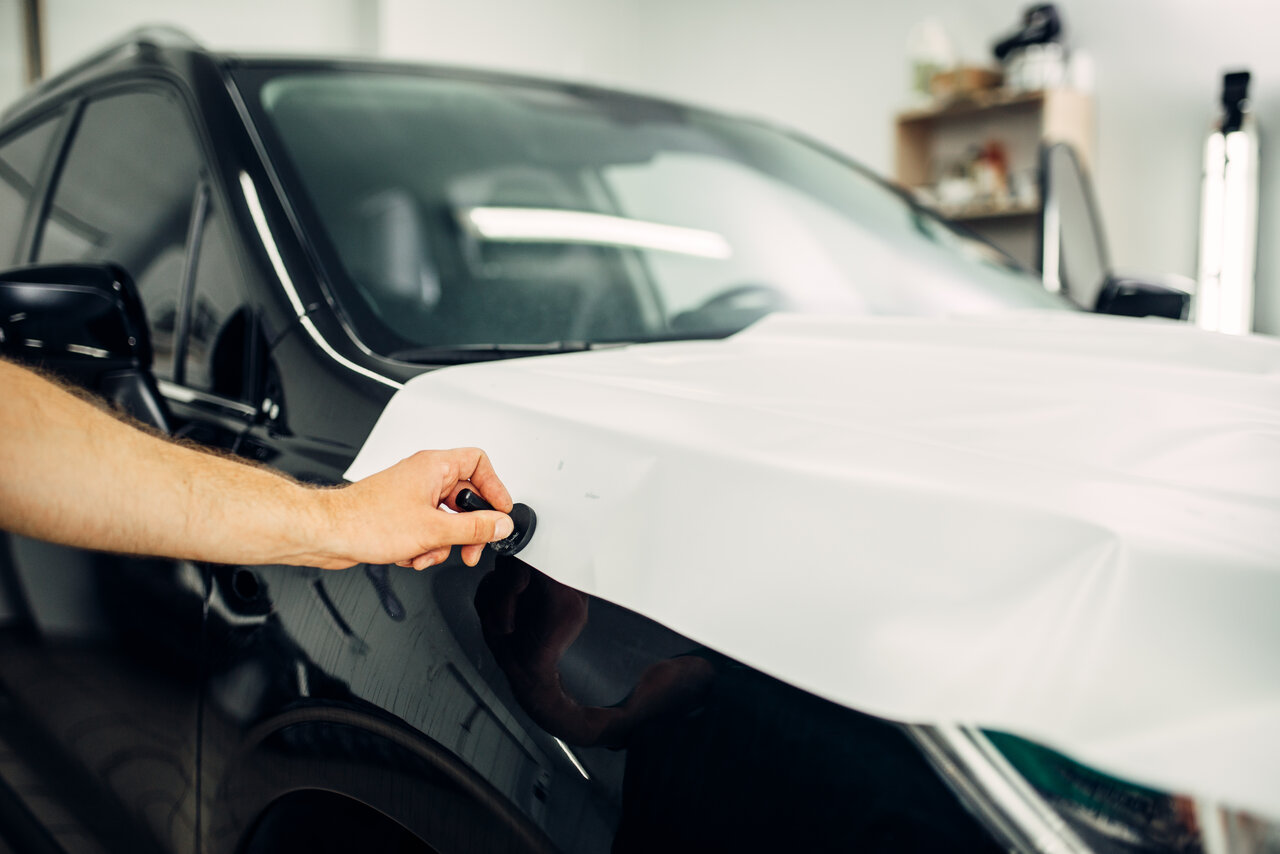
When it comes to protecting your vehicle’s paint, two of the most popular options are PPF and ceramic coating. Both can help preserve your car’s appearance, but they do very different jobs.
For this guide, we are comparing automotive PPF, also called paint protection film, with ceramic coating for vehicle paint protection.
PPF is a clear protective film that helps defend your vehicle against rock chips, scratches, road debris and impact damage. Ceramic coating is a liquid coating that adds gloss, water repellency, UV resistance and easier cleaning.
So, which one is better for your car? The answer depends on what you want to protect against. In this guide, we compare PPF vs ceramic coating, explain what each option does, and help you decide which paint protection solution makes the most sense for your vehicle.
Quick Answer: Is PPF or Ceramic Coating Better?
PPF is better for physical protection against rock chips, scratches, gravel and road debris. Ceramic coating is better for gloss, water beading, UV resistance, chemical resistance and easier washing.
For the strongest protection, many drivers choose both. They apply PPF to high-impact areas like the hood, front bumper, fenders, mirrors and rocker panels, then add ceramic coating over compatible surfaces or exposed paint for easier maintenance and a glossier finish.
If your main concern is impact protection, start with paint protection film. If your main concern is shine, slickness and easier cleaning, consider Fusion PLUS ceramic coating.
What Is PPF on a Car?
PPF stands for paint protection film. It is a clear, durable urethane film applied to painted surfaces of a vehicle to help protect against rock chips, scratches, road debris, bug acids, winter salt and everyday wear.
Automotive PPF is commonly installed on high-impact areas such as:
- Front bumper
- Hood
- Fenders
- Side mirrors
- Rocker panels
- Door edges
- Door cups
- Lower body panels
High-quality PPF can also include self-healing properties, meaning light surface marks and minor swirls can improve with heat from the sun or warm water. For drivers who want a premium film option, XPEL ULTIMATE PLUS paint protection film is designed to provide high-gloss protection while helping preserve the vehicle’s original finish.
If you are comparing partial front, full front or full vehicle coverage, explore Protex Canada’s paint protection film packages.
What Is Ceramic Coating?
Ceramic coating is a liquid protective coating applied to a vehicle’s exterior surfaces. Once cured, it bonds with the paint to create a slick, hydrophobic layer that helps repel water, dirt, road grime and other contaminants.
Ceramic coating can improve gloss, make washing easier and help protect the paint from UV rays and chemical contaminants. It is a strong option for drivers who want a cleaner, glossier and easier-to-maintain vehicle exterior.
However, ceramic coating does not stop rock chips or road debris impact the way PPF does. It can offer some resistance to minor surface contamination and light wash marks, but it should not be treated as a replacement for paint protection film if your goal is physical impact protection.
For a deeper explanation, read our guide on what ceramic coating is.
PPF vs Ceramic Coating: Main Difference
The main difference between PPF and ceramic coating is the type of protection they provide.
PPF is a physical film. It creates a thicker protective barrier that helps absorb impact from rock chips, gravel, road debris and minor abrasions.
Ceramic coating is a liquid coating. It creates a slick protective surface that improves gloss, water repellency and ease of cleaning, but it does not provide the same level of physical protection against impact.
In simple terms:
Choose PPF for impact protection. Choose ceramic coating for gloss and easier maintenance. Choose both for a more complete protection package.
PPF vs Ceramic Coating Comparison Table
|
Feature |
PPF |
Ceramic coating |
|
Rock chip protection |
Strong |
No |
|
Road debris impact protection |
Strong |
No |
|
Scratch resistance |
Better physical protection |
Limited surface resistance |
|
Water beading |
Good, depending on film |
Excellent |
|
Gloss enhancement |
Yes, depending on film |
Yes |
|
UV resistance |
Yes |
Yes |
|
Chemical resistance |
Good |
Good |
|
Easier washing |
Yes |
Yes |
|
Self-healing properties |
Available on premium films |
No |
|
Best for |
Physical paint protection |
Gloss and easier maintenance |
|
Common use |
Hood, bumper, fenders, mirrors, rocker panels |
Paint, wheels, trim and compatible protected surfaces |
Both options can improve the way your vehicle looks and performs over time. The right choice depends on your driving habits, climate, vehicle value and protection goals.
When Should You Choose PPF?
PPF is the better choice if you want to protect your vehicle from physical damage. It is especially useful for areas that take the most abuse during daily driving.
Choose PPF if:
- You want protection from rock chips and road debris
- You drive often on highways
- You drive in winter conditions with salt, sand or gravel
- You own a new, luxury, performance or electric vehicle
- You want to protect high-impact areas before damage happens
- You are concerned about preserving resale value
- You want protection for the hood, bumper, fenders, mirrors or rocker panels
- You want a clear film that protects without changing the factory look
PPF is often the best first step for drivers who want long-term paint protection. If you are ready to compare options, learn more about professional PPF installation through Protex Canada.
When Should You Choose Ceramic Coating?
Ceramic coating is a strong choice if your main priorities are gloss, water repellency and easier maintenance. It can make the surface feel slicker, help reduce dirt buildup and make regular washing more efficient.
Choose ceramic coating if:
- You want a glossier finish
- You want stronger water beading
- You want easier washing and drying
- You want UV and chemical resistance
- You want to reduce how easily dirt and grime stick to the surface
- You do not need strong impact protection
- You already have PPF and want easier maintenance
- You want a cleaner, shinier vehicle exterior over time
Ceramic coating can be a great option for drivers who want their car to look freshly detailed for longer, but it should not be relied on to stop chips from gravel, stones or road debris.
Can You Combine PPF and Ceramic Coating?
Yes. Combining PPF and ceramic coating is often the best solution for drivers who want both physical protection and easier maintenance.
A common approach is to apply PPF first to high-impact areas such as the front bumper, hood, fenders, mirrors and rocker panels. Ceramic coating can then be applied over compatible PPF or exposed painted surfaces to add gloss, slickness, water repellency and easier cleaning.
This combination can be especially useful for:
- New vehicles
- Luxury cars
- Sports cars
- Teslas and EVs
- Daily drivers
- Vehicles exposed to highways
- Cars driven in winter conditions
- Trucks and SUVs exposed to gravel, salt and road debris
PPF protects against impact. Ceramic coating helps with maintenance. Together, they create a stronger, more complete paint protection strategy.
PPF vs Ceramic Coating Cost
Cost is one of the main differences between PPF and ceramic coating.
PPF usually costs more than ceramic coating when comparing larger coverage areas because the material is thicker and the installation is more labour-intensive. PPF must be carefully aligned, stretched, squeegeed, finished around edges and applied to complex body panels.
Ceramic coating often has a lower starting cost, depending on the product and preparation required. However, it does not provide the same protection against rock chips, gravel and road debris.
The right investment depends on your goal:
- If you want to prevent impact damage, PPF is usually worth the higher cost.
- If you want gloss, water beading and easier washing, ceramic coating may be enough.
- If you want both protection and easier maintenance, combine PPF and ceramic coating.
For more pricing detail, read our guide to PPF cost in Canada.
Which One Lasts Longer?
Both PPF and ceramic coating can last for years when professionally installed and properly maintained, but lifespan depends on the product, installation quality, driving conditions and maintenance routine.
High-quality PPF can provide long-term protection against chips, scratches and road debris. Its lifespan can be affected by sun exposure, winter salt, road grime, washing habits and how often the vehicle is driven.
Ceramic coating can also last for years, but its hydrophobic performance can decline over time if the vehicle is not washed properly or if harsh chemicals are used.
To get the best lifespan from either option, professional installation and proper aftercare matter. You can learn more about how long PPF lasts if you are comparing long-term paint protection options.
Best Option for Canadian Drivers
Canadian driving conditions can be tough on vehicle paint. Winter salt, sand, gravel, slush, construction debris, highway driving and freeze-thaw conditions can all increase the risk of paint damage.
For many Canadian drivers, PPF is the better first choice because it protects against the physical damage that ceramic coating cannot stop. Areas like the front bumper, hood, fenders, mirrors, rocker panels and lower body panels are especially vulnerable.
Ceramic coating is still valuable, especially when added over compatible PPF or uncovered paint. It can make winter grime easier to wash off, improve gloss and reduce how easily contaminants stick to the surface.
For the best protection in Canadian conditions, many drivers choose:
PPF on high-impact areas + ceramic coating for gloss and easier maintenance.
Why Choose Protex for PPF and Ceramic Coating?
Protex Canada helps drivers protect their vehicles with high-quality XPEL paint protection film and professional ceramic coating solutions. Whether you need impact protection, easier maintenance or a full paint protection package, a Protex installer can help recommend the right option for your vehicle.
With Protex, you can choose from:
- Professional PPF installation
- XPEL paint protection film options
- Fusion PLUS ceramic coating
- Partial front, full front and full vehicle PPF packages
- Protection for high-impact areas
- Options for new vehicles, luxury cars, EVs, trucks and SUVs
- Installer guidance based on your driving habits and budget
Not sure whether PPF, ceramic coating or both is right for your vehicle?
Find a Protex installer near you
PPF vs Ceramic Coating FAQs
What is PPF for cars?
PPF stands for paint protection film. It is a clear protective film applied to painted vehicle surfaces to help protect against rock chips, scratches, road debris, bug acids, winter salt and everyday wear.
What is ceramic coating for cars?
Ceramic coating is a liquid protective coating applied to a vehicle’s exterior surfaces. Once cured, it creates a slick hydrophobic layer that helps repel water, dirt and contaminants while improving gloss.
Is PPF better than ceramic coating?
PPF is better than ceramic coating for rock chips, road debris, scratches and impact protection. Ceramic coating is better for gloss, water repellency, UV resistance and easier cleaning.
Is ceramic coating better than PPF?
Ceramic coating is better if your main goal is shine, water beading and easier washing. It is not better than PPF for physical paint protection because it does not stop rock chips or road debris impact.
Can ceramic coating stop rock chips?
No. Ceramic coating does not stop rock chips. If rock chips are your main concern, PPF is the better option because it creates a thicker physical barrier over the paint.
Can PPF be ceramic coated?
Yes. Ceramic coating can often be applied over compatible PPF to improve water repellency, gloss and ease of cleaning. A professional installer can confirm the best approach for your vehicle and film type.
Is PPF worth the cost?
PPF can be worth the cost if you want to protect your vehicle’s paint from damage before it happens. It is especially valuable for new vehicles, luxury cars, EVs, performance cars and vehicles exposed to highways or winter roads.
Which lasts longer, PPF or ceramic coating?
Both can last for years when properly installed and maintained. PPF is designed for long-term physical protection, while ceramic coating durability depends on product quality, surface preparation and maintenance.
Should I get PPF or ceramic coating on a new car?
For a new car, PPF is usually the better first choice if you want to prevent chips and road debris damage. Ceramic coating can then be added for gloss, water repellency and easier washing.
Can I combine PPF and ceramic coating?
Yes. Many drivers combine both. PPF protects high-impact areas from physical damage, while ceramic coating improves gloss, water beading and maintenance on compatible PPF or exposed paint.